

Brow Tint Gallery
$$MultiPurposeText$$
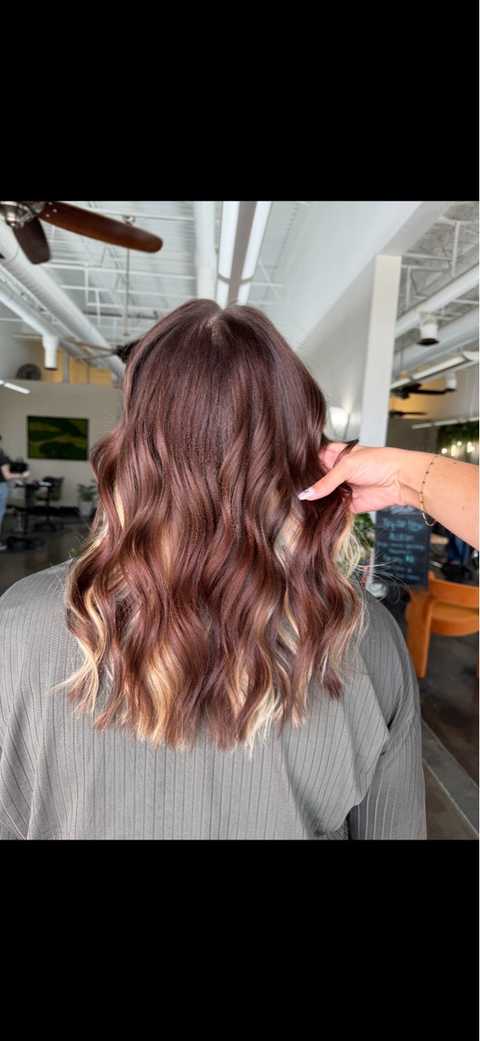
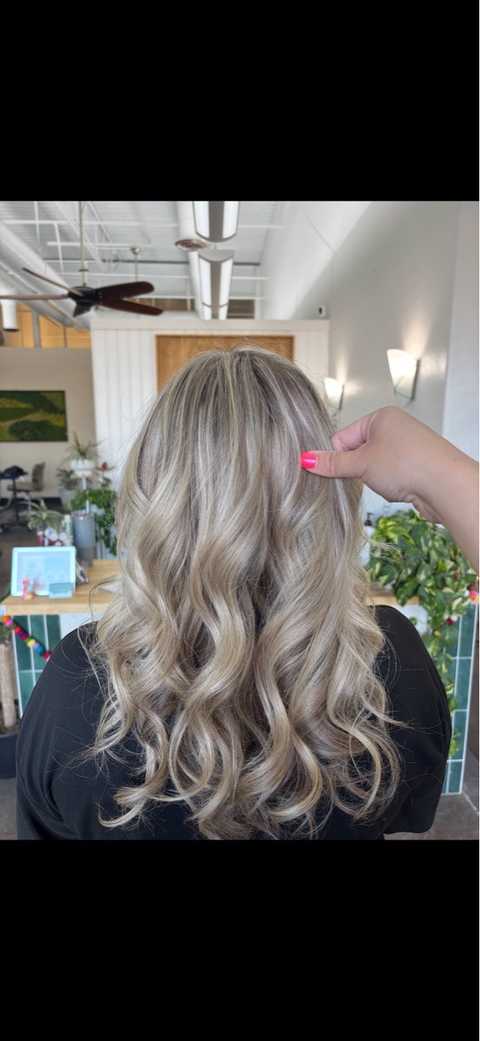
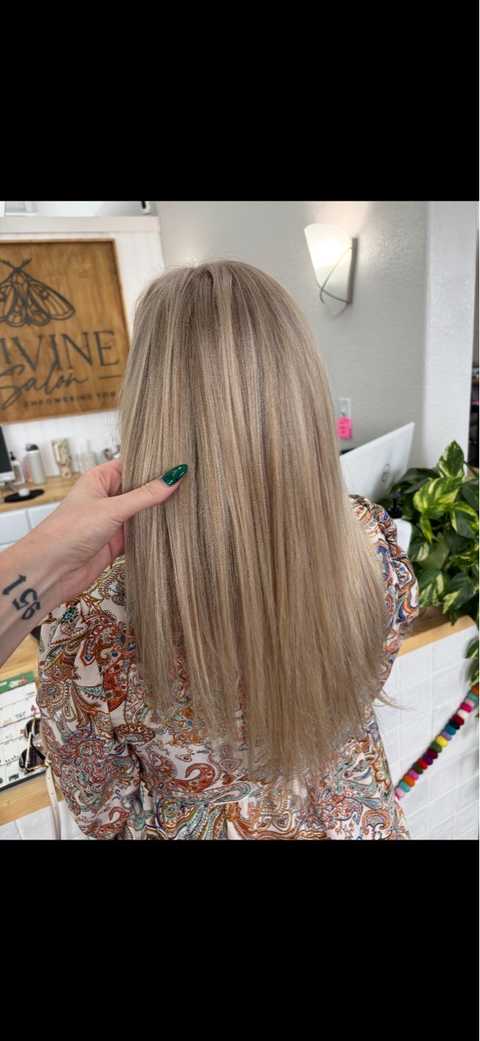
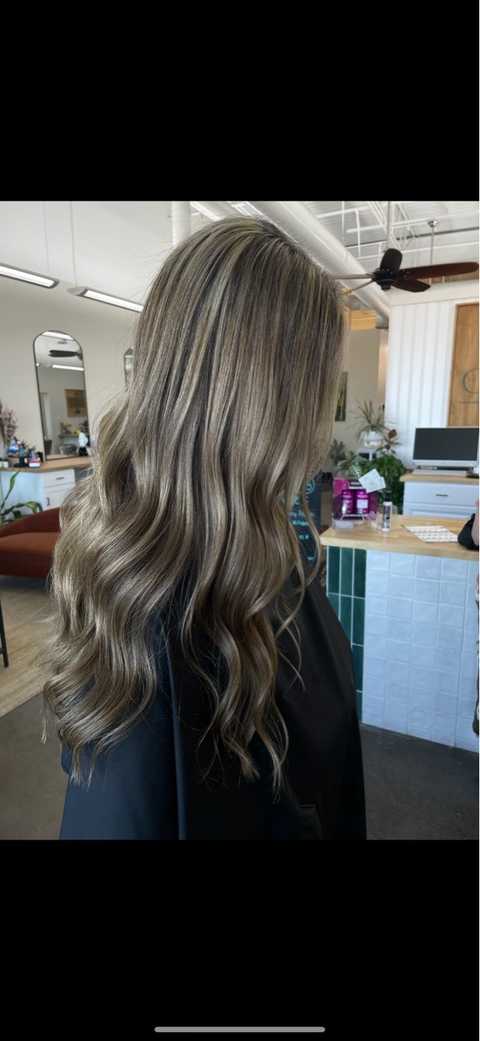
See examples of our Brow Tint work and results.




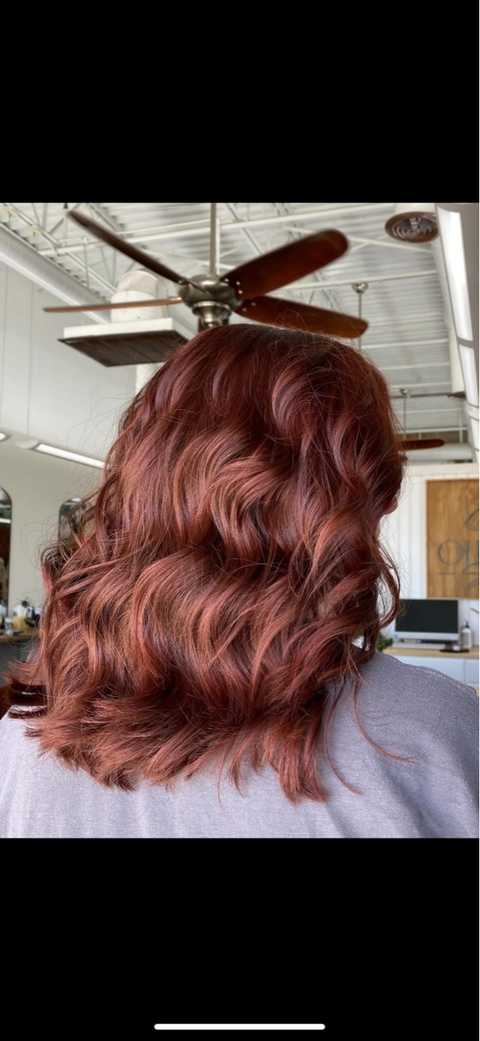
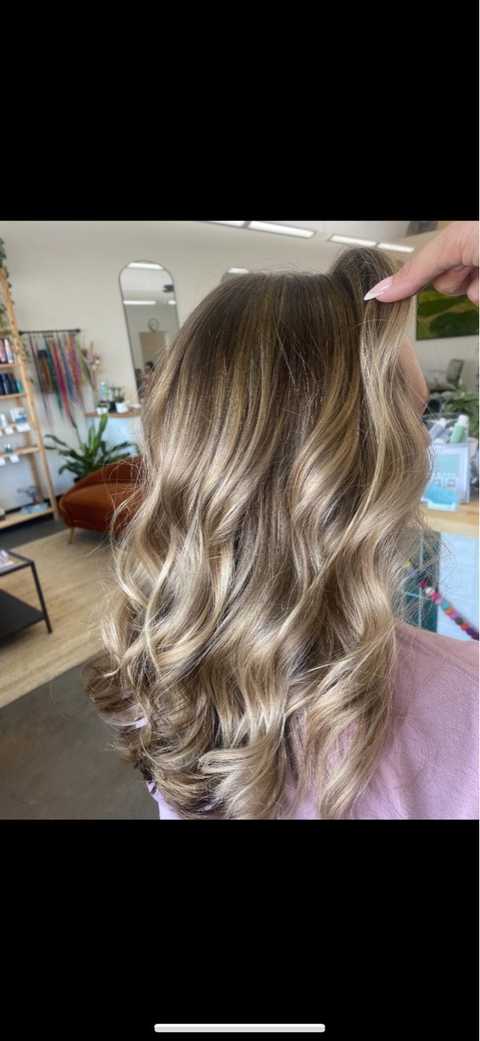
What Our Clients Say
$$MultiPurposeText$$
Read testimonials from our satisfied customers

Mariah did an amazing job! She listened to exactly what I wanted, preserved my length, and...more

Kari quickly earned my trust by listening attentively to my personal wishes, explained all...more

Ashley was absolutely amazing! She’s a true pro at what she does. My daughter was looking ...more

Brittany was super helfpful. She was super nice and she answered all my questions with suc...more

Ashley was my hairstylist, she did so amazing I love her!

Had a good time! confident stylists, vibes were great, and the chairs were comfortable as ...more

Frequently Asked Questions
Get answers to common questions about Brow Tint.
Brow tint usually lasts four to six weeks depending on hair growth, skin type, and aftercare. Oils and exfoliation can speed fading; we recommend gentle products and infrequent heavy cleansing to maintain pigment longer.
We perform a patch test 48 hours before tinting to check for reactions. Our stylist uses professional, gentle dyes and follows strict protocols. If you have known dye allergies, discuss alternatives like henna or brow pencils with your technician.
We advise waiting until microblading or tattooing is fully healed—typically 6–8 weeks—before tinting. Tinting over fresh pigment can alter color and affect results. Bring your technician details of your procedure so we can recommend the safest timing.
Avoid heavy sweating, swimming, saunas, and oil-based products for 24–48 hours. Use gentle cleansers and refrain from exfoliating brow area. Follow our aftercare guidance to minimize premature fading and keep color vibrant longer.
Our stylists consider your hair color, skin tone, undertones, and desired intensity when mixing dye. We show swatches and test strands to ensure a natural, flattering match and adjust shade to suit your personal style.
Yes. We often combine tinting with waxing, threading, or lamination for polished results. Your stylist will advise the optimal order—lamination before tinting often gives best definition—and schedule treatments for safety and longevity.