

Acrylic Overlay Gallery
$$MultiPurposeText$$
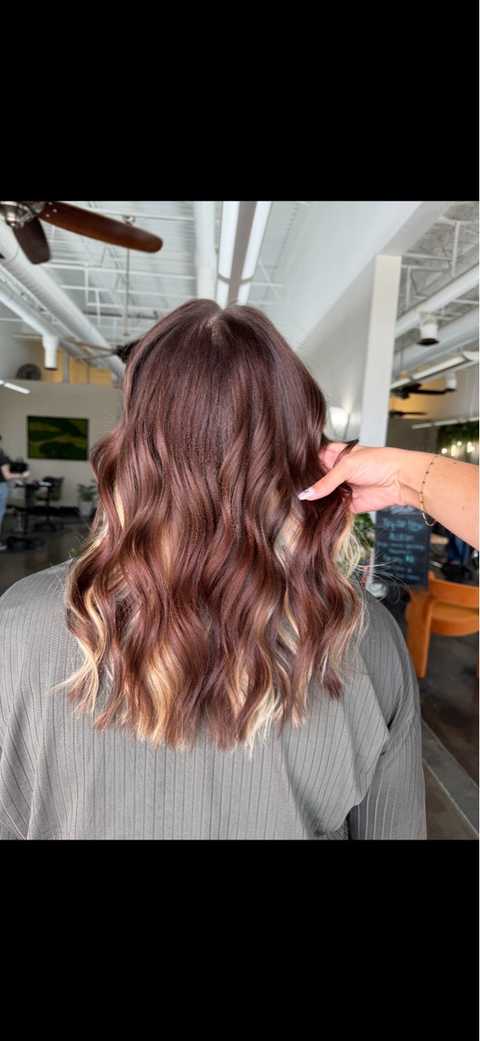
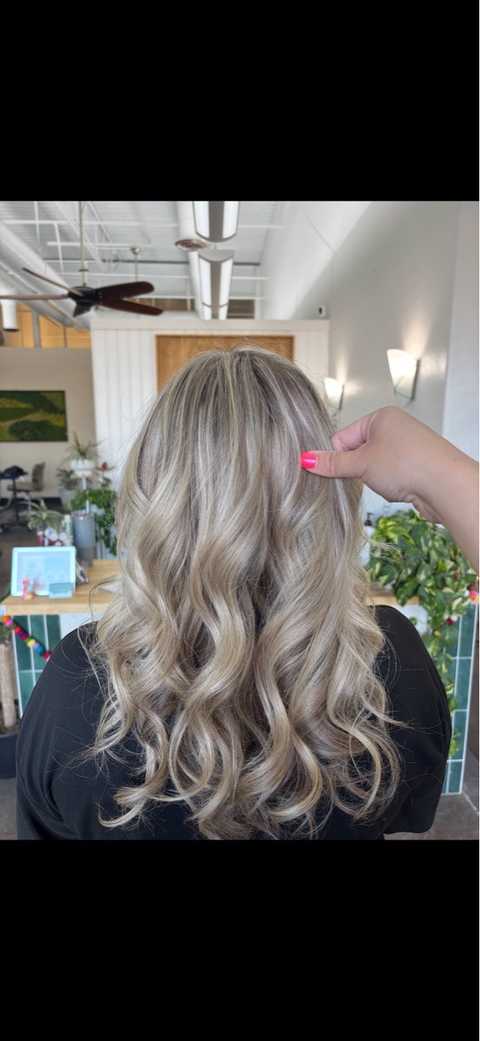
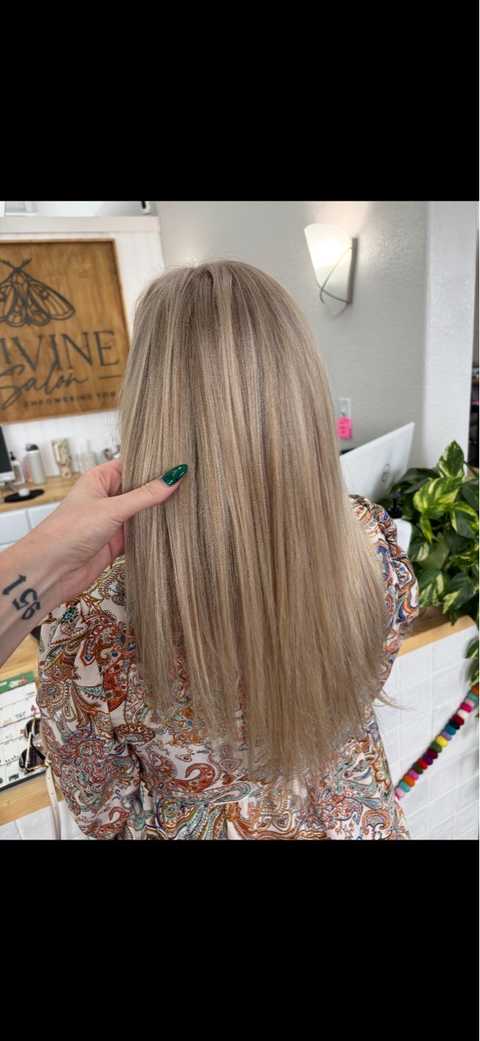
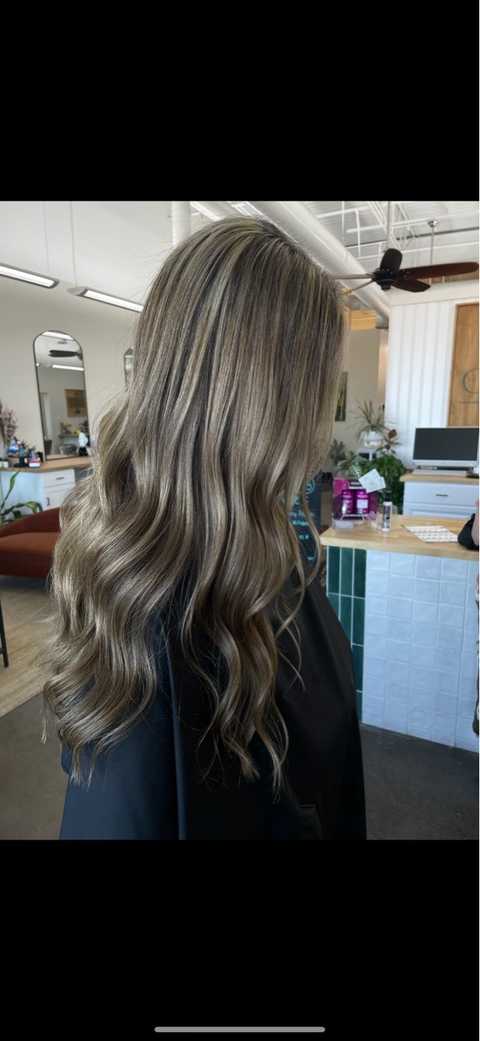
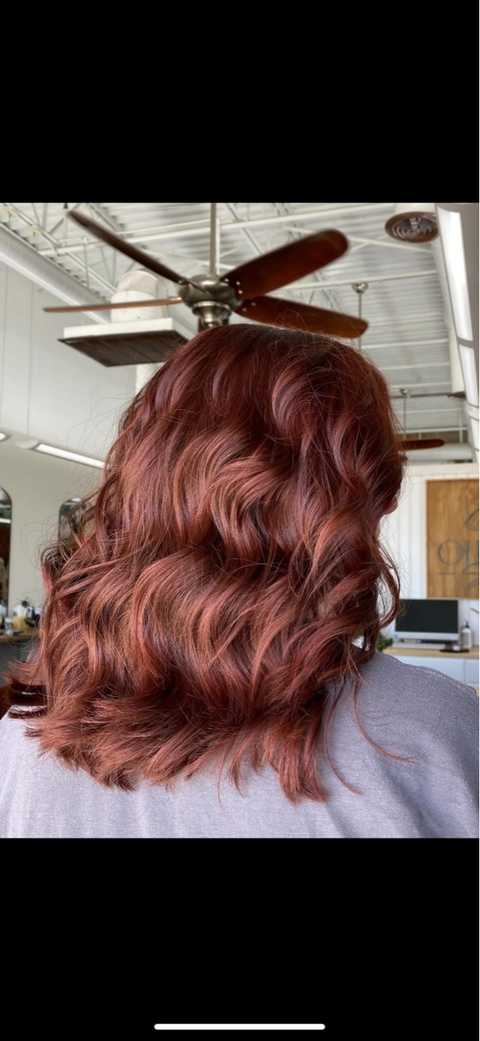
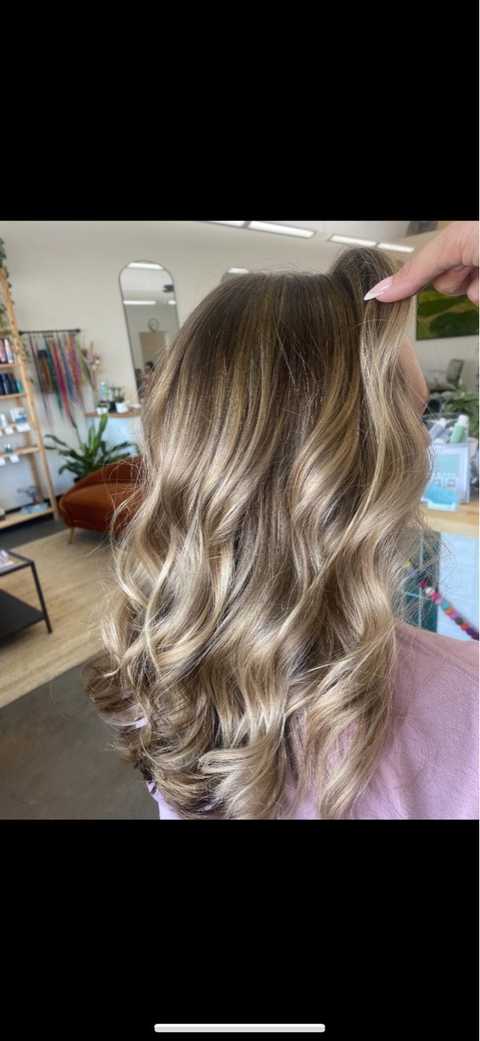
See examples of our Acrylic Overlay work and results.




What Our Clients Say
$$MultiPurposeText$$
Read testimonials from our satisfied customers

Mariah did an amazing job! She listened to exactly what I wanted, preserved my length, and...more

Kari quickly earned my trust by listening attentively to my personal wishes, explained all...more

Ashley was absolutely amazing! She’s a true pro at what she does. My daughter was looking ...more

Brittany was super helfpful. She was super nice and she answered all my questions with suc...more

Ashley was my hairstylist, she did so amazing I love her!

Had a good time! confident stylists, vibes were great, and the chairs were comfortable as ...more

Frequently Asked Questions
Get answers to common questions about Acrylic Overlay.
Properly applied and removed by a trained technician, an acrylic overlay should not cause long-term damage. Regular fills, gentle removal, and allowing occasional nail breaks help maintain nail health. Overuse or improper removal increases risk, so professional care is essential.
Most acrylic overlays stay attractive for two to three weeks before visible growth or lifting appears. We recommend scheduling fills every two to three weeks to maintain strength and prevent lifting; exact timing depends on your natural growth and daily activities.
Yes — you can apply regular polish or simple nail art over an acrylic overlay at home using standard products. Use non-acetone removers, avoid aggressive filing, and maintain with cuticle oil. For complex designs or gel polish, visit the salon for professional service.
An overlay covers and strengthens the natural nail surface without adding dramatic length, while full acrylic extensions use tips or forms to create new nail length. Overlays are quicker to apply and gentler to remove; extensions offer more dramatic shape and length options.
Protect overlays by wearing gloves for chores, avoiding prolonged water exposure, and applying cuticle oil daily. Avoid picking or using nails as tools, and use gentle cleaners. Schedule regular fills and professional inspections to catch lifting or damage early.
Yes — when applied correctly, acrylic overlays can protect and strengthen weak or brittle nails. Technicians thinly apply product, focus on nail health, and recommend strengthening treatments. If you have active infections or severe damage, consult a professional before services.